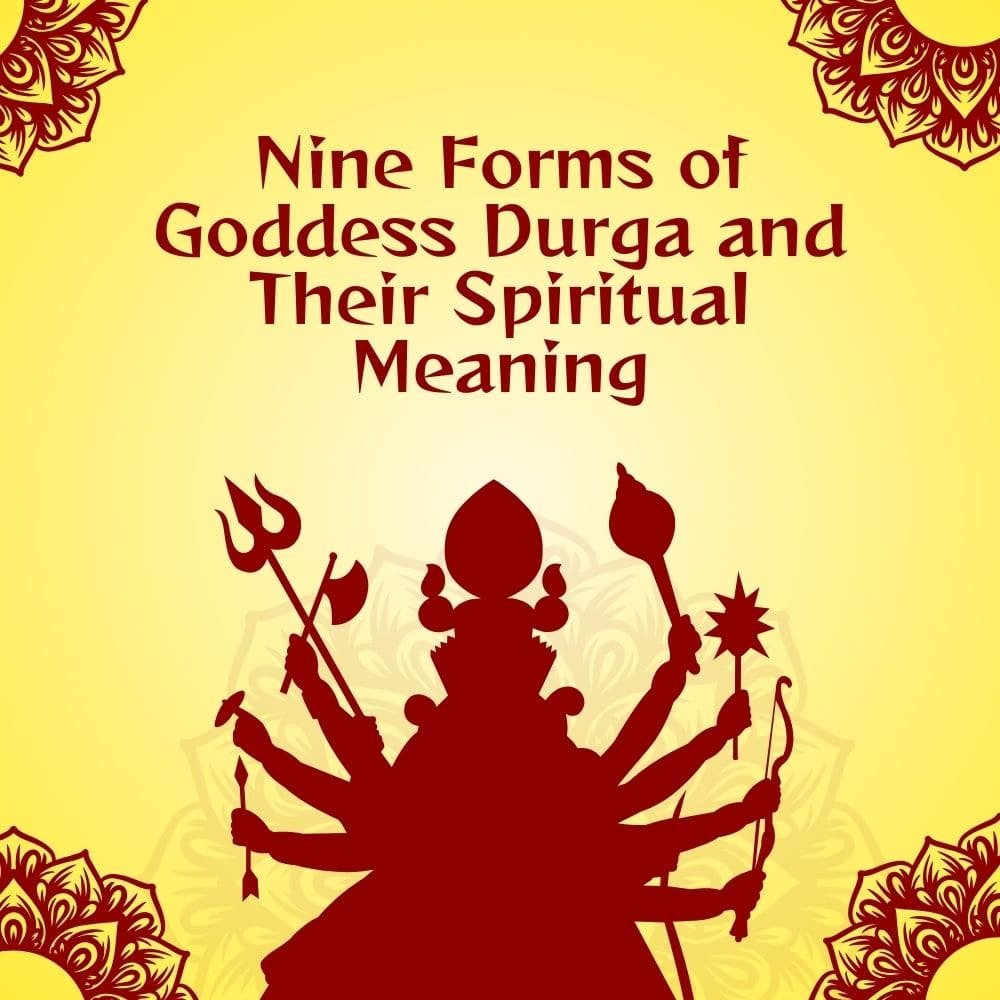
Here’s the list of the Nine Forms of Goddess Durga (Navadurga), each worshipped on the nine days of Navratri:
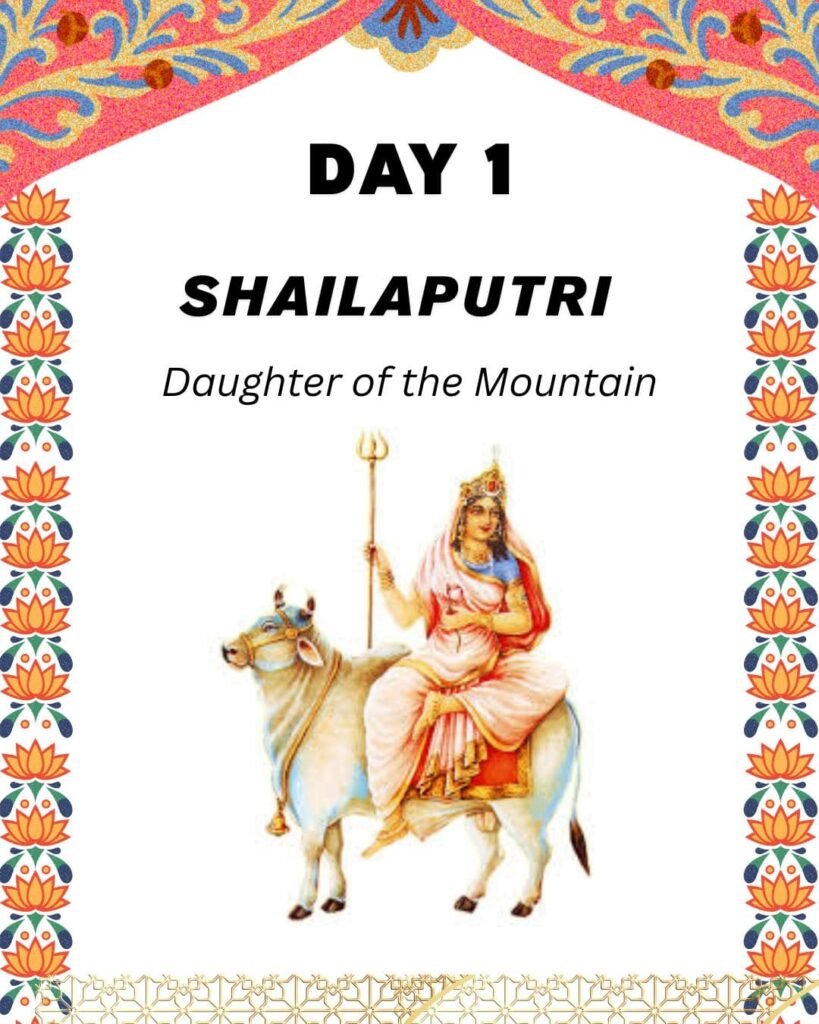
Shailaputri – Daughter of the Himalayas, symbol of strength and purity.
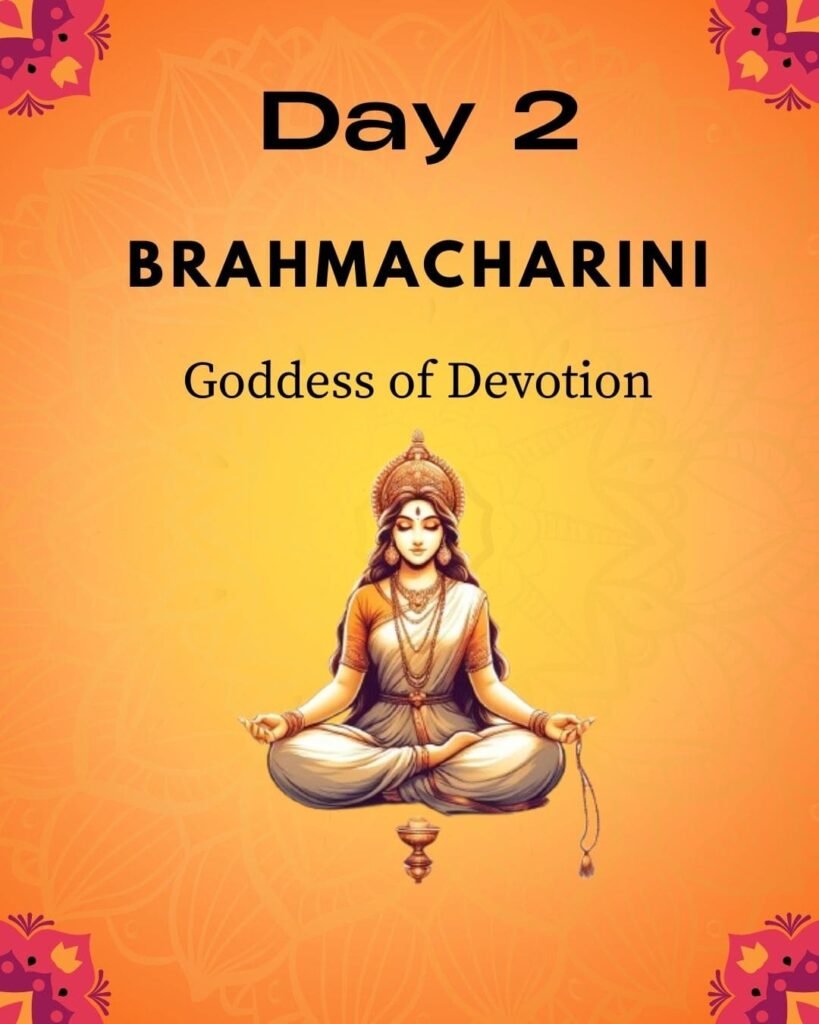
Brahmacharini – Goddess of penance and devotion, representing spiritual wisdom.
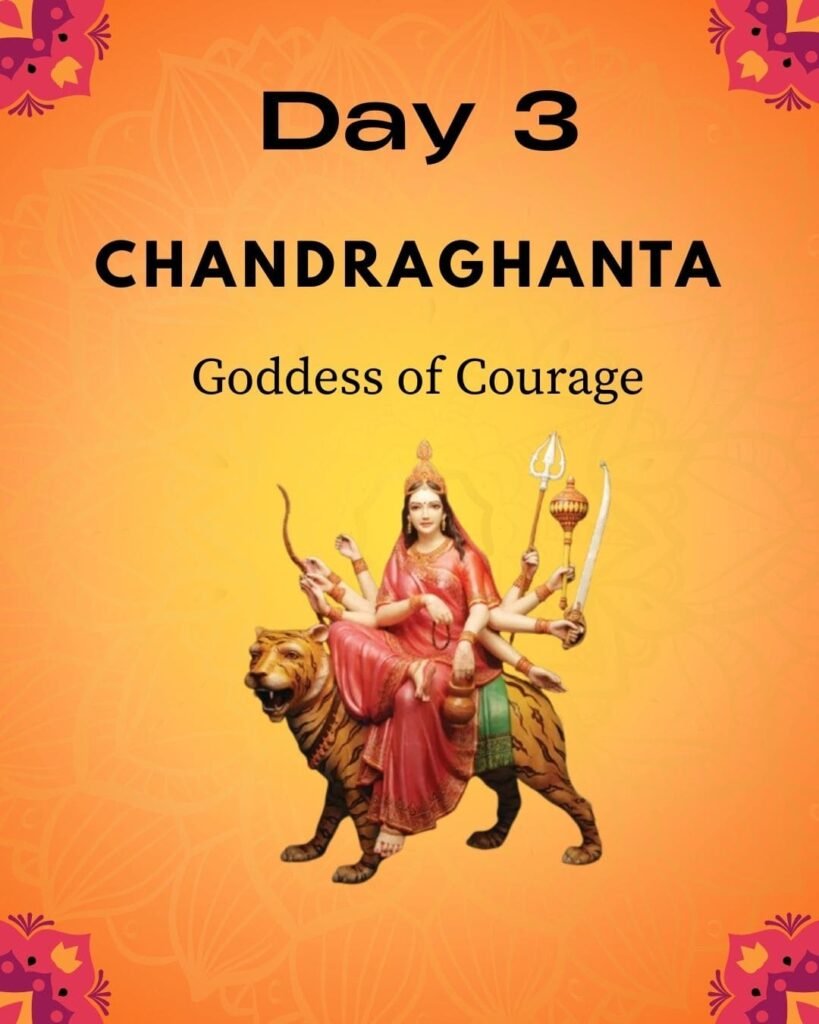
Chandraghanta – Warrior form with a half-moon shaped bell, symbolizing courage and serenity.
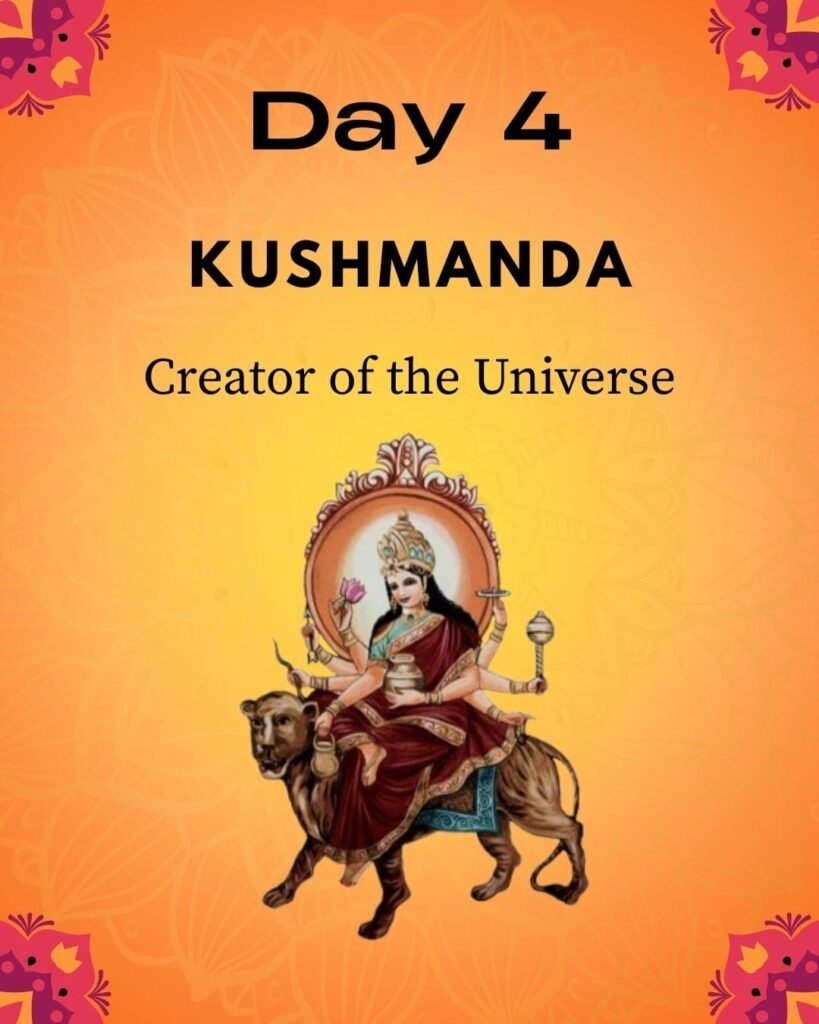
Kushmanda – Creator of the universe, associated with cosmic energy and vitality.
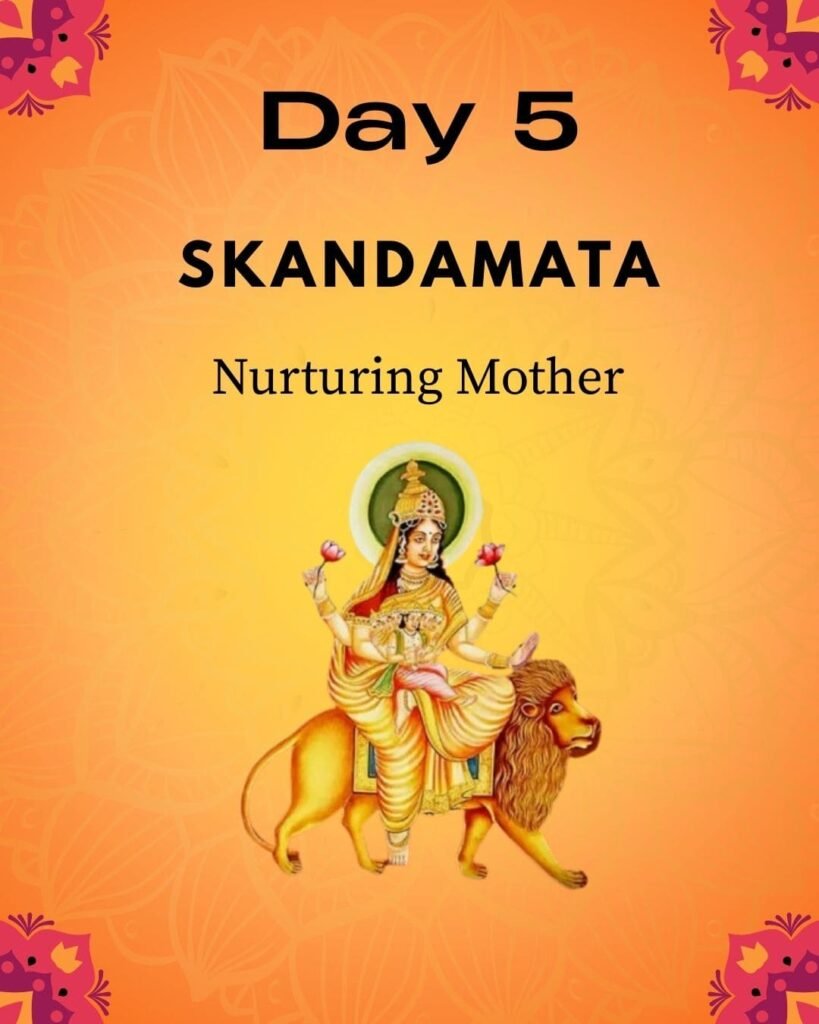
Skandamata – Mother of Lord Kartikeya (Skanda), symbol of motherly love and compassion.
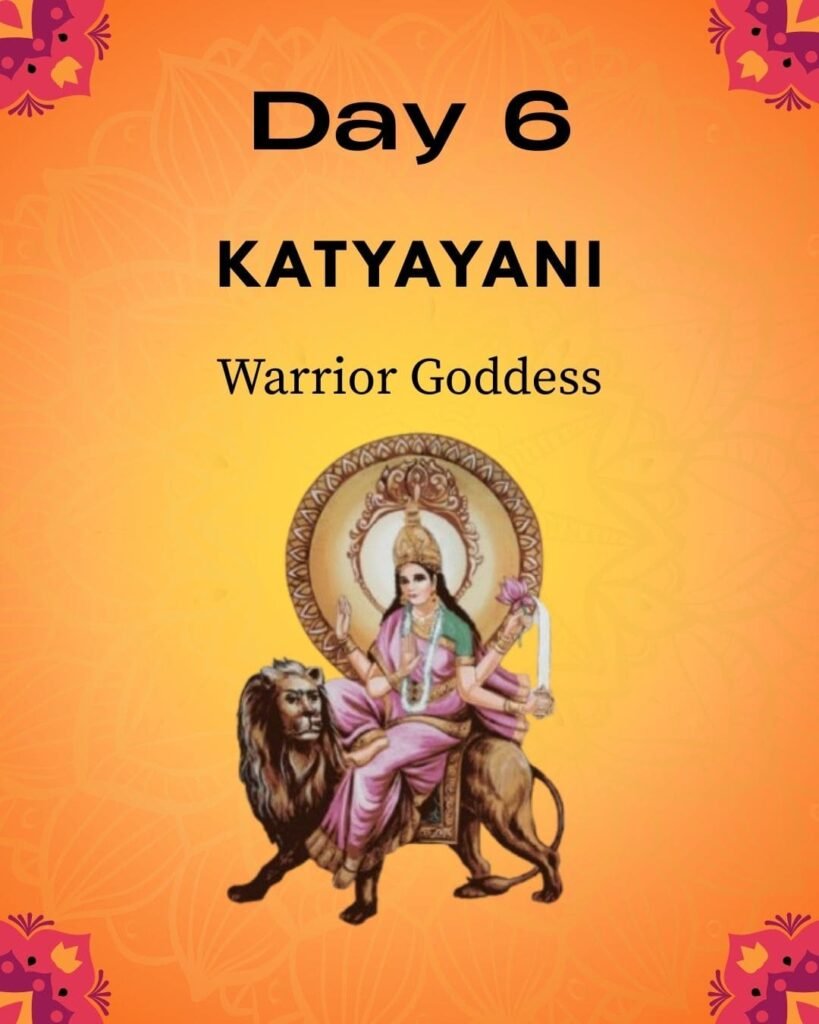
Katyayani – Fierce warrior form, representing protection and justice.
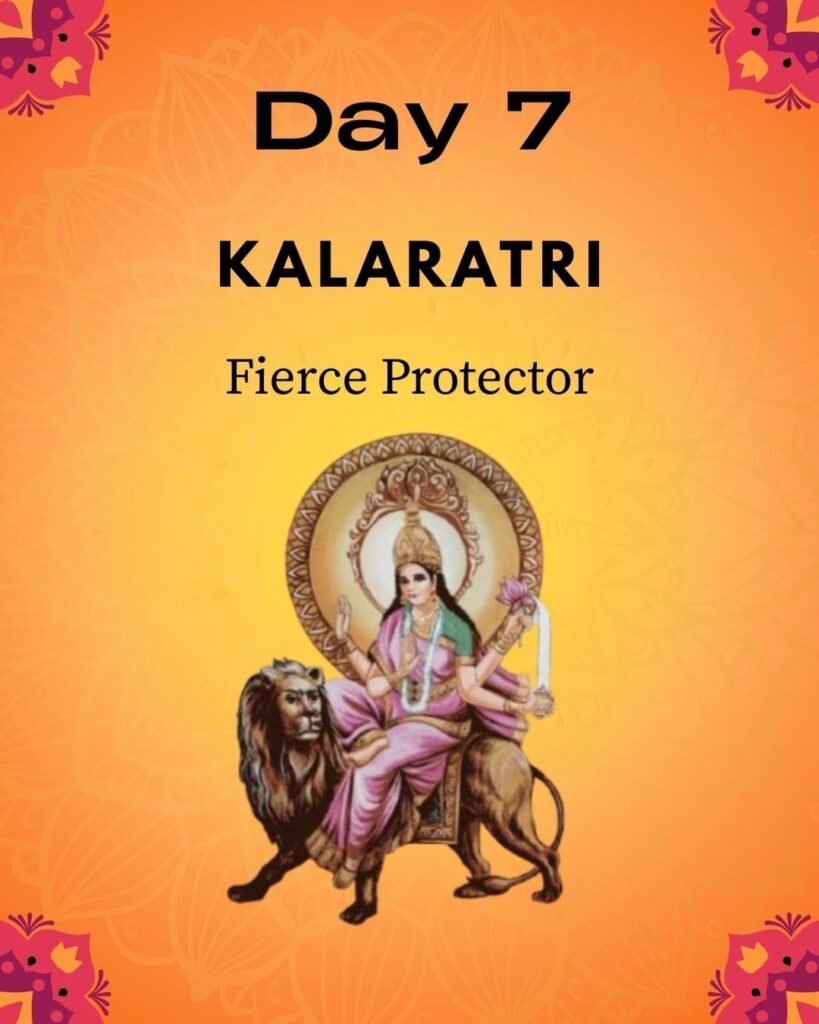
Kalaratri – Dark and fierce form, destroyer of evil, remover of fear.
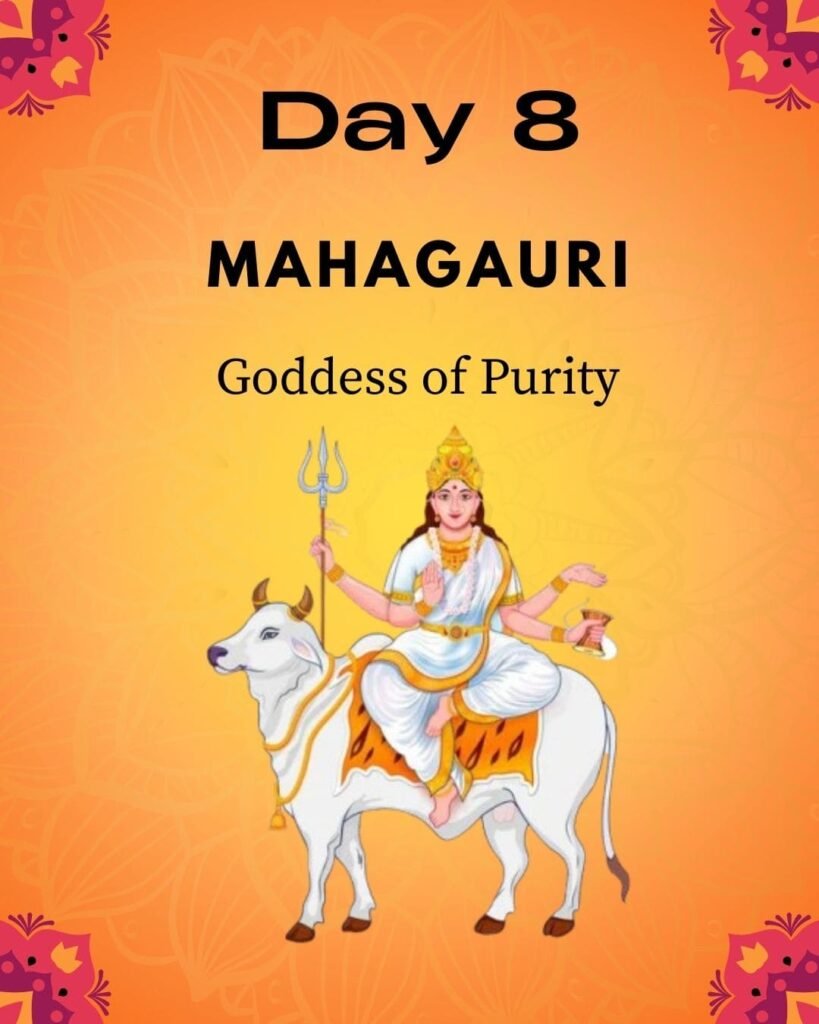
Mahagauri – Goddess of purity, serenity, and kindness, symbol of inner peace.
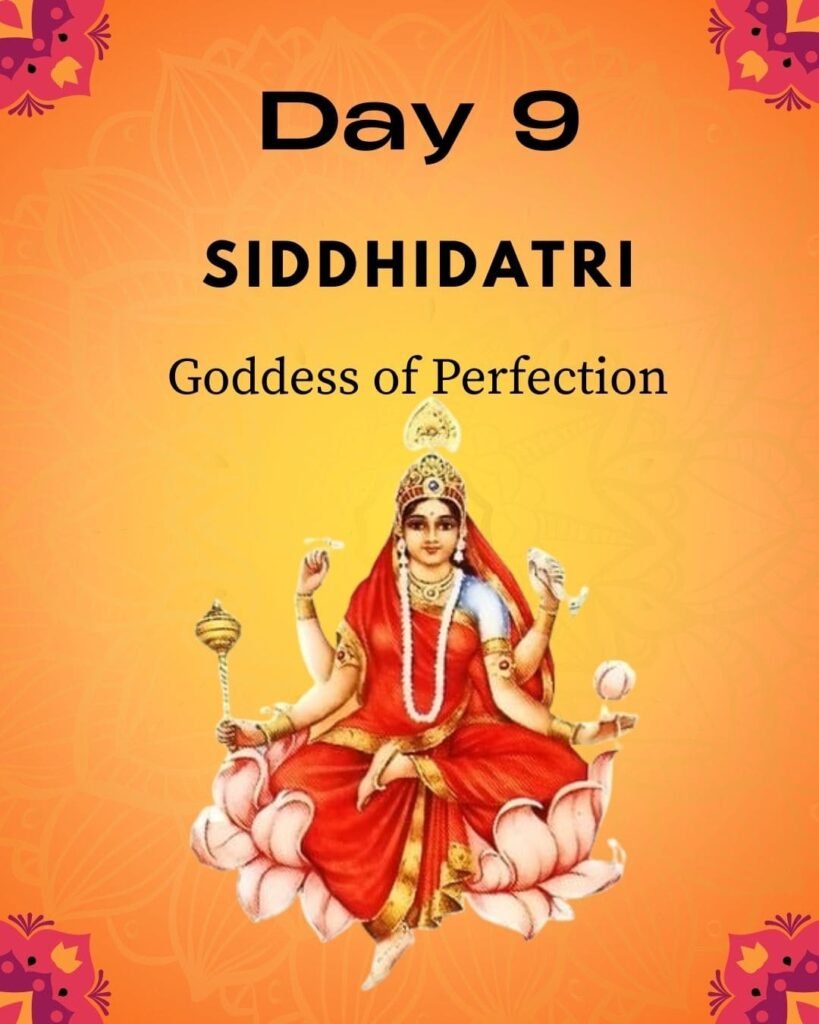
Siddhidatri – Bestower of siddhis (supernatural powers) and blessings, ultimate form of divine completeness.
Navratri is one of the most sacred Hindu festivals, celebrated for nine nights and ten days with devotion, fasting, dance, and prayers. At the heart of Navratri is the worship of the nine divine forms of Goddess Durga, collectively known as Navadurga.
Each form represents a unique quality of the Goddess, teaching us how to live with courage, wisdom, compassion, and positivity. Let’s explore the spiritual meaning of all nine forms.
1. Shailaputri – Daughter of the Mountain
Shailaputri is the first form of Goddess Durga, worshipped on the first day of Navratri. She rides a bull and carries a trident and a lotus.
Spiritual Meaning: Symbolizes purity, strength, and devotion. Worshipping her helps develop stability and focus in life.
2. Brahmacharini – Goddess of Devotion
On the second day, devotees worship Goddess Brahmacharini, who walks barefoot holding a rosary and a water pot.
Spiritual Meaning: Represents penance, devotion, and self-discipline. She inspires us to remain patient and dedicated in tough times.
3. Chandraghanta – Goddess of Courage
The third form, Chandraghanta, adorns a half-moon on her forehead and rides a tiger. She symbolizes bravery and grace.
Spiritual Meaning: Teaches us to overcome fear, fight negativity, and face life with confidence.
4. Kushmanda – Creator of the Universe
Kushmanda, worshipped on the fourth day, is believed to have created the universe with her divine smile. She is shown with eight hands, holding weapons and a rosary.
Spiritual Meaning: Symbol of energy, creation, and vitality. Invoking her brings health, happiness, and positive energy.
5. Skandamata – Nurturing Mother
On the fifth day, Goddess Skandamata is worshipped. She carries Lord Kartikeya (Skanda) in her lap and rides a lion.
Spiritual Meaning: Embodiment of motherly love and compassion. She blesses devotees with wisdom, peace, and prosperity.
6. Katyayani – Warrior Goddess
Katyayani, the sixth form of Durga, was born to sage Katyayan. She rides a lion and carries a sword.
Spiritual Meaning: Represents courage and justice. She helps devotees destroy inner negativity and gain confidence.
7. Kalaratri – Fierce Protector
Kalaratri is the fiercest form, worshipped on the seventh day. With a dark complexion, disheveled hair, and a fearless posture, she destroys evil forces.
Spiritual Meaning: Symbol of protection, strength, and fearlessness. She teaches that facing darkness leads to spiritual growth.
8. Mahagauri – Goddess of Purity
On the eighth day, devotees worship Mahagauri, who is radiant and white in appearance. She rides a bull and blesses with peace.
Spiritual Meaning: Embodiment of purity, calmness, and kindness. She inspires inner cleansing and balance in life.
9. Siddhidatri – Goddess of Perfection
The final form, Siddhidatri, is worshipped on the ninth day. She bestows wisdom, knowledge, and spiritual powers.
Spiritual Meaning: Symbol of completeness and divine grace. She helps devotees achieve inner fulfillment and harmony.