
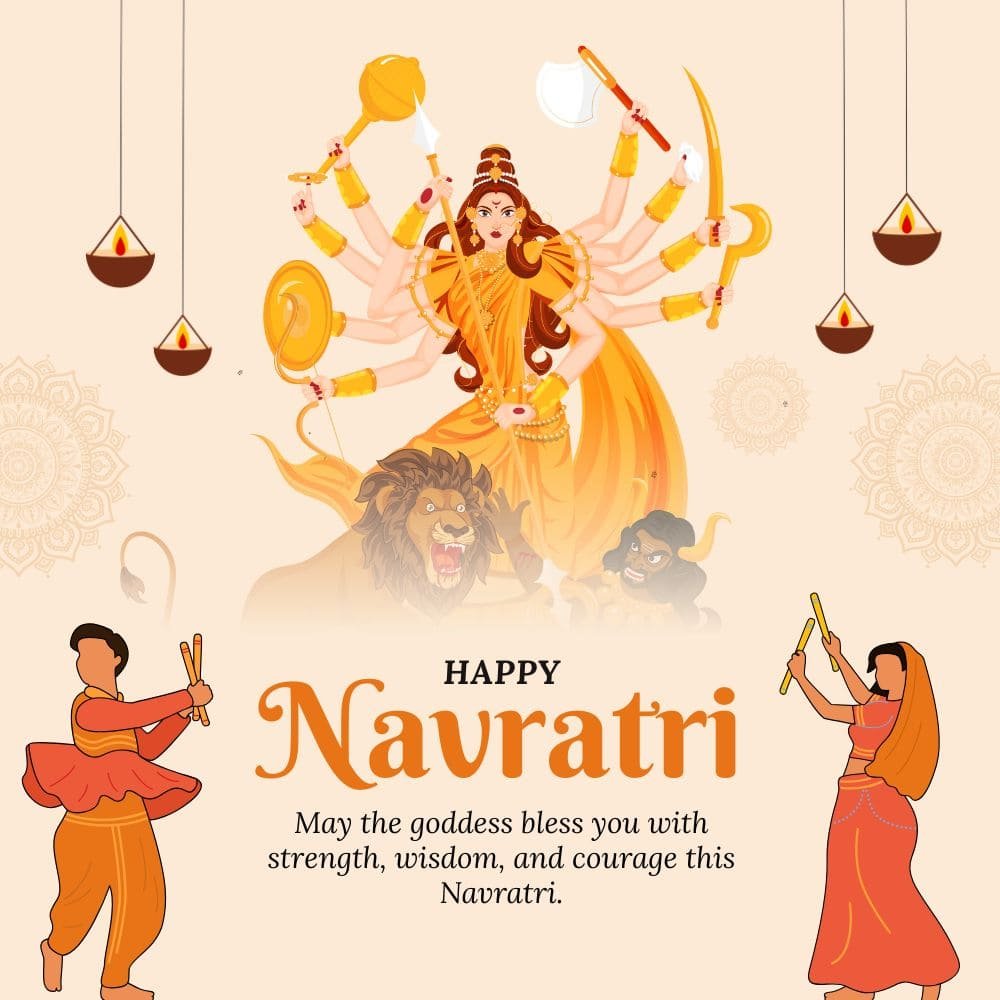
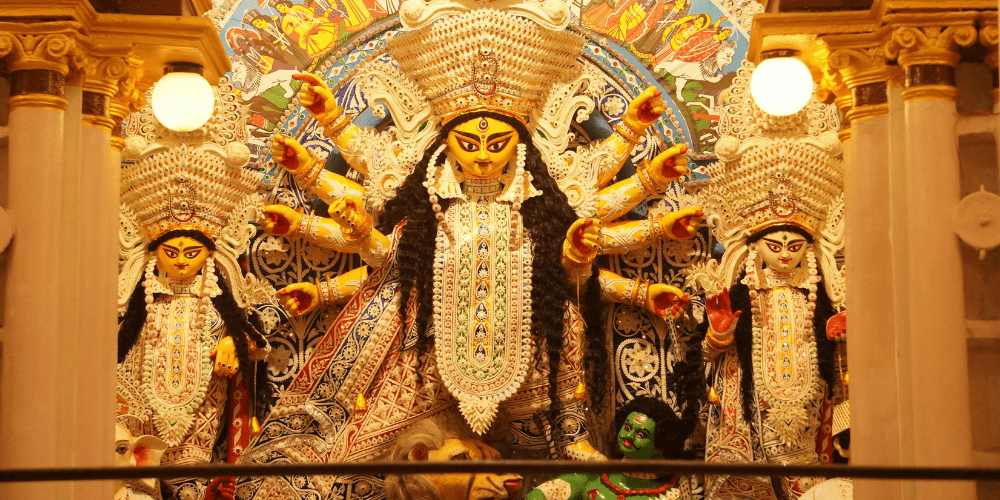
In India and around the world, Navratri is one of the most revered Hindu holidays, celebrated with enthusiasm and devotion. Navratri is derived from the Sanskrit words nav, which means “nine,” and ratri, which means “night.” The divine feminine energy, sometimes called Devi Durga or Shakti, is honoured throughout this nine-night, ten-day festival.
What is so significant about these nine nights, though? Let’s examine the importance and deeper meaning of Navratri.
The Spiritual Meaning of Navratri
There is more to Navratri than merely dance, fasting, and rituals. It is deeply symbolic of spirituality. The Goddess Durga, who represents the triumph of light over darkness, knowledge over ignorance, and good over evil, is worshipped in one form every night.
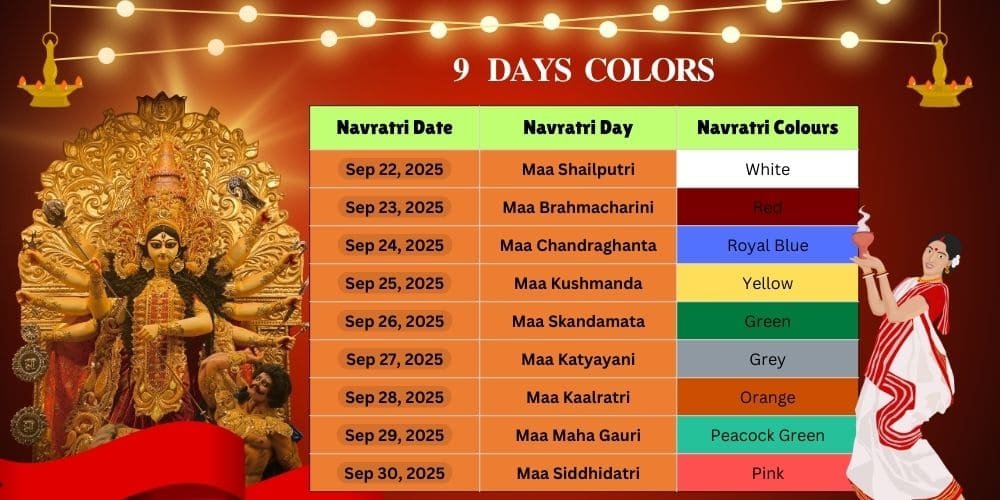
The Goddess, Navadurga, is represented by nine forms, each of which symbolises a distinct facet of feminine power: protection, courage, wisdom, compassion, and prosperity. By worshipping them, followers are reminded to overcome their weaknesses and find their inner power.
Mythological Significance
In Hindu mythology, the conflict between the demon king Mahishasura and the goddess Durga occurs on Navratri. During the nine nights of the intense battle, Maa Durga prevailed on the tenth day, which is also known as Vijayadashami or Dussehra. The victory of good over evil is symbolised by this victory.
Another custom is that during Navratri, Ramlila plays are performed all over India to commemorate Lord Rama’s victory over Ravana.
Navratri Across India
- Regions celebrate Navratri differently, despite the fact that its fundamentals are the same:
- Gujarat and Maharashtra: Known for their Garba and Dandiya Raas, these states are known for their devotional dancing, music, and nightlife.
- East India and West Bengal: Celebrated as Durga Puja, with cultural events, pandals, and large idols.
- Ramlila and fasting customs are well-known in northern India.
- Southern India: Special pujas and Golu (doll presentations) are used to celebrate.
Why We Fast During Navratri
During Navratri, fasting is not just a religious practice but also a means of cleansing the body. The body and mind can be cleansed by eating sattvic food, seasonal fruits, and light meals. Fasting imparts self-control, discipline, and commitment on a spiritual level.
Lessons from Navratri
Navratri is more than a festival—it’s a reminder of life lessons:
• Inner Strength: Like Goddess Durga, we are capable of overcoming obstacles.
• Positivity: Light triumphs over darkness in every situation.
• Balance: The Goddess stands for both protecting power and tender affection.
• Unity: Despite disparate customs, Navratri unites people in celebration.
The festival of devotion, bravery, and divine force is known as Navratri. It motivates us to examine ourselves, to believe in our inner strength, and to lead honest and upbeat lives. The Goddess is within each of us, and the nine nights of Navratri serve as a reminder of this, whether via prayer, fasting, or dance.
May everyone have strength, harmony, and wealth during Navratri!